
A private aircraft removes the friction of commercial travel. Your ground plan should not put it back. The right private aviation ground options preserve the advantages you chartered or own an aircraft to receive: control over timing, discretion at arrival, room to reset, and a direct transition to the next commitment.
For a principal flying into Scottsdale Airport or Phoenix Sky Harbor, ground transportation is not an afterthought. It is the first operational decision after wheels down. A thoughtful arrangement accounts for the aircraft schedule, FBO procedures, passenger count, luggage profile, security preferences, and the difference between a quick transfer and a day that requires the vehicle to remain at your disposal.
What Private Aviation Ground Options Should Deliver
The best choice is not simply the most expensive vehicle waiting at the curb. It is the service model behind it. Private aviation schedules can shift for weather, air traffic, a late connection, or a change in the principal’s itinerary. A ground partner should be prepared to monitor the flight, adjust dispatch timing, and coordinate with the appropriate fixed-base operator when access procedures permit.
Discretion matters just as much. Many private travelers prefer to move without drawing attention to their arrival, whether they are executives preparing for a board meeting, families beginning a resort stay, or public-facing guests attending a private event. A professionally trained chauffeur understands that privacy is active, not passive. It means a clean vehicle, restrained conversation, appropriate positioning, and no unnecessary questions or familiarity.
Comfort has practical value as well. After a flight, an executive may need Wi-Fi for a confidential call, bottled water before a meeting, or a calm, quiet cabin to review a schedule. Those details make the vehicle an extension of the travel experience rather than dead time between the aircraft and the destination.
The Main Ground Transportation Choices
Private travelers generally have several ways to leave the airport. Each can work under the right circumstances, but they do not offer the same degree of control.
Chauffeured executive SUV
For one to five passengers with standard luggage, a premium executive SUV is often the most versatile option. It provides a polished arrival for a hotel, office, golf club, residence, or dinner reservation while retaining enough cargo space for typical weekend and business travel.
This format is especially effective when the itinerary is direct. A chauffeur can meet the flight according to approved FBO procedures, assist with luggage, and take the most appropriate route based on real-time Valley traffic and the passenger’s preferences. For many travelers, the appeal is simple: there is no parking, no navigation, no handoff to an unfamiliar driver, and no need to explain the destination after landing.
An executive SUV is not always the right answer. A family arriving with golf bags, multiple large cases, or several children may be more comfortable in a larger vehicle. The same is true for a team traveling together or a group that wants to remain in one private cabin.
Mercedes Sprinter for groups and equipment
A Mercedes Sprinter provides meaningful advantages for larger parties, extended luggage needs, golf outings, and coordinated corporate arrivals. It allows a group to travel together without dividing into separate vehicles, which improves both logistics and privacy.
For a corporate team, this can create a useful transition period between airport and meeting. Colleagues can settle in, make calls, or receive a quiet briefing before arriving. For families and leisure travelers, the additional capacity reduces the familiar post-flight scramble over bags, car seats, and who travels where.
The trade-off is that a larger vehicle requires more deliberate planning. Certain properties, private residences, and venues have narrow approaches or limited staging areas. An experienced local transportation team will consider those details ahead of time, rather than discovering them after the aircraft has arrived.
Hourly chauffeur service
Point-to-point service is ideal when the next stop is clear. Hourly service is stronger when the day is not. A principal may need to go from the FBO to a meeting in Scottsdale, then to a resort, then to dinner in Paradise Valley, with timing that remains fluid. Keeping the chauffeur and vehicle on standby maintains continuity and eliminates repeated pickups.
This option is also well suited to site visits, real estate tours, executive roadshows, private shopping, and event evenings. The chauffeur becomes a quiet operational presence, ready when needed but never intrusive. It is a particularly sensible choice when the cost of a delayed or disorganized transition exceeds the cost of reserving dedicated time.
Rental cars and app-based rides
Rental cars may suit travelers who prefer to drive themselves and expect substantial independence during a longer stay. They offer flexibility, but they also introduce paperwork, parking decisions, unfamiliar routes, and the responsibility of driving after a flight. For a traveler who values privacy and control, driving can be appealing. For a traveler managing calls, guests, or a compressed schedule, it can be an unnecessary demand on attention.
App-based rides are convenient for routine transportation, but they are less aligned with the expectations surrounding private aviation. Vehicle quality, driver familiarity, staging timing, and confidentiality standards can vary. They may be adequate for a simple personal trip with minimal luggage, yet they are rarely the preferred choice for high-profile arrivals, business-critical timing, or coordinated groups.
Arrival Coordination Is Where Service Shows
The difference between transportation and a concierge-level transfer is usually visible before the aircraft touches down. Dispatch should have the flight details, passenger count, destination, vehicle preference, and relevant notes about luggage or stops. The chauffeur should know where to stage and how to communicate discreetly if the FBO’s process requires a passenger to meet at a designated point.
Not every airport or FBO permits the same aircraft-side access. Procedures can depend on the facility, security requirements, ramp conditions, and the aircraft operator. Promising a vehicle directly beside every aircraft would be careless. A dependable provider instead coordinates within the approved process and protects the passenger experience from the uncertainty of those behind-the-scenes rules.
Flight monitoring also deserves precision. Tracking an aircraft is valuable, but it does not remove the need for judgment. An early arrival may still involve deplaning, baggage handling, crew coordination, or a passenger who wants a few private minutes before leaving. A late arrival does not automatically mean the chauffeur should disappear or begin pressuring the traveler for updates. The standard should be calm readiness.
Choosing the Vehicle for the Actual Itinerary
It helps to decide based on the day ahead, not only the flight itself. A solo executive with a briefcase traveling from Scottsdale Airport to a Paradise Valley residence has different needs from a family bringing clubs for a golf weekend or a leadership team heading to multiple meetings.
Consider the number of passengers, but also the space each person will require. Formal attire, garment bags, golf equipment, presentation materials, and oversized luggage all change the equation. If passengers will be working en route, cabin comfort and connectivity may matter more than maximum seating. If the itinerary includes multiple stops, hourly service may provide a better experience than arranging separate transfers.
The destination can shape the decision too. A resort arrival calls for polished timing and luggage support. A private residence may require a low-profile approach. An event can demand preplanned pickup windows and a chauffeur who understands the importance of leaving only when the principal is ready.
Questions Worth Settling Before Departure
A well-managed reservation should clarify a few essential points: the tail number or flight details for monitoring, the FBO, passenger count, luggage requirements, destination sequence, and a reliable point of contact. It is also reasonable to discuss billing preferences in advance, particularly for corporate assistants, family offices, and executive travel coordinators who need clear digital confirmations.
Privacy expectations should be stated plainly when they are central to the trip. Professional discretion should be standard, yet special considerations can include confidential schedules, an unlisted residence, minors traveling with family, or the need for a nondisclosure agreement. Clear information allows the transportation team to prepare without requiring the traveler to manage details upon arrival.
For travelers in the Phoenix-Scottsdale luxury corridor, PV Black Car pairs Cadillac Escalades and Mercedes Sprinters with flight monitoring, local routing expertise, and chauffeurs trained to operate with measured discretion. The goal is not to make an arrival feel complicated. It is to make the transition feel already handled.
A private flight gives you the freedom to arrive on your own terms. Reserve ground transportation with the same intention, and the time between aircraft door and destination can remain quiet, composed, and entirely yours.




How to Coordinate Confidential Executive Travel
Learn how to coordinate confidential executive travel with discreet planning, secure details, flight tracking, private…

Event Transport That Protects the Occasion
Event transport for Scottsdale gatherings: private chauffeurs, tailored itineraries, discreet arrivals, and dependable timing for…

Corporate Chauffeur Guide for Executive Travel
A corporate chauffeur guide for executives who expect privacy, punctuality, and polished ground transportation for…

Private Aviation Ground Options That Work
Private aviation ground options should protect your time, privacy, and comfort from tarmac arrival through…

Scottsdale Corporate Retreat Transportation Guide
Scottsdale corporate retreat transportation guide for executive arrivals, confidential travel, group movements, and precise Arizona…

Airport Chauffeur Service for Travel Without Friction
Choose an airport chauffeur for punctual, private travel from Phoenix Sky Harbor or Scottsdale Airport,…

Executive Roadshow Transport Example in Phoenix
See an executive roadshow transport example built for Phoenix leaders, with precise routing, discreet chauffeurs,…

Mercedes Sprinter Capacity Review for Executive Travel
Our Mercedes Sprinter capacity review explains seating, luggage room, and the details that shape a…
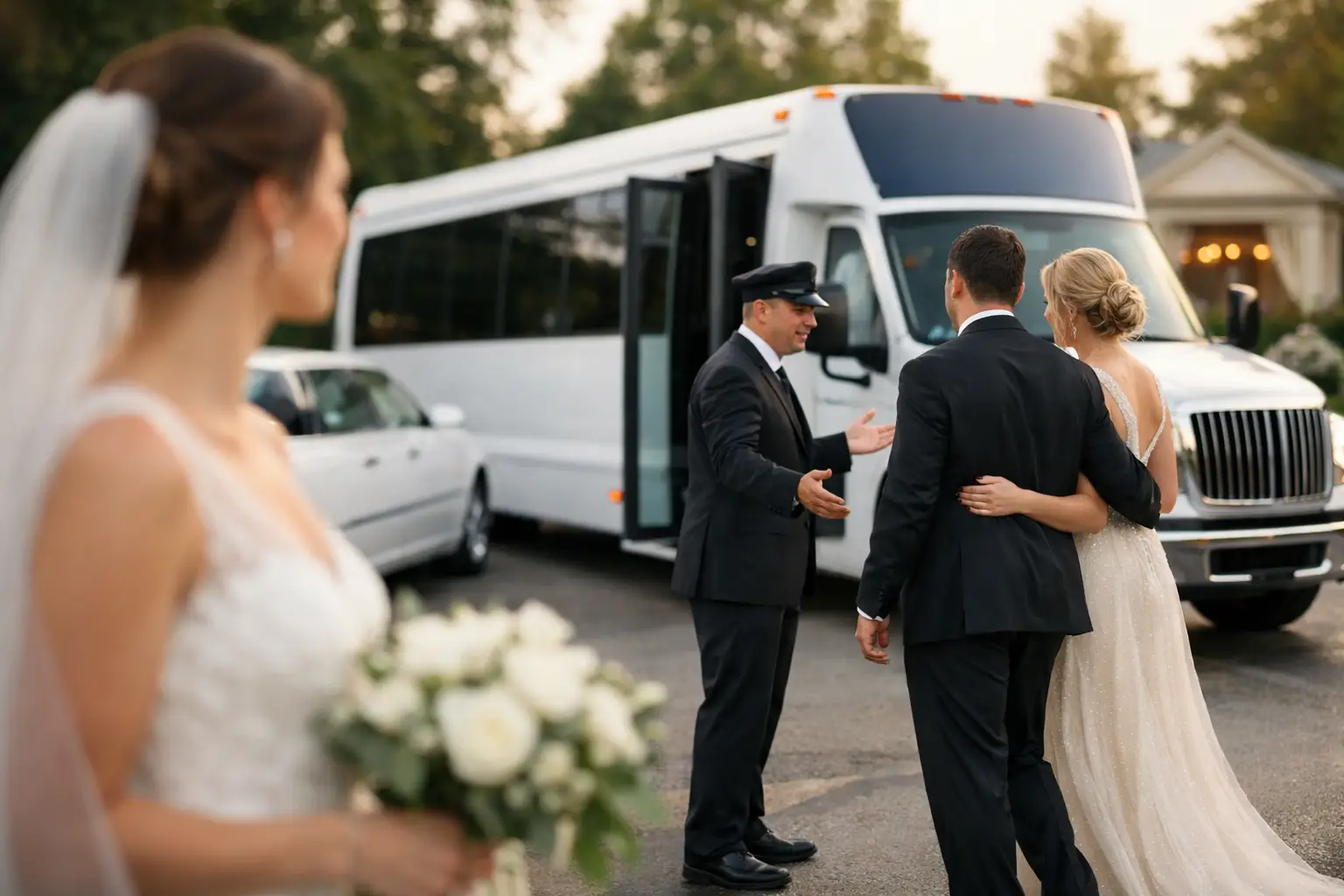
Wedding Shuttle Coordination for Refined Events
Wedding shuttle coordination brings every guest from ceremony to celebration with privacy, precise timing, and…
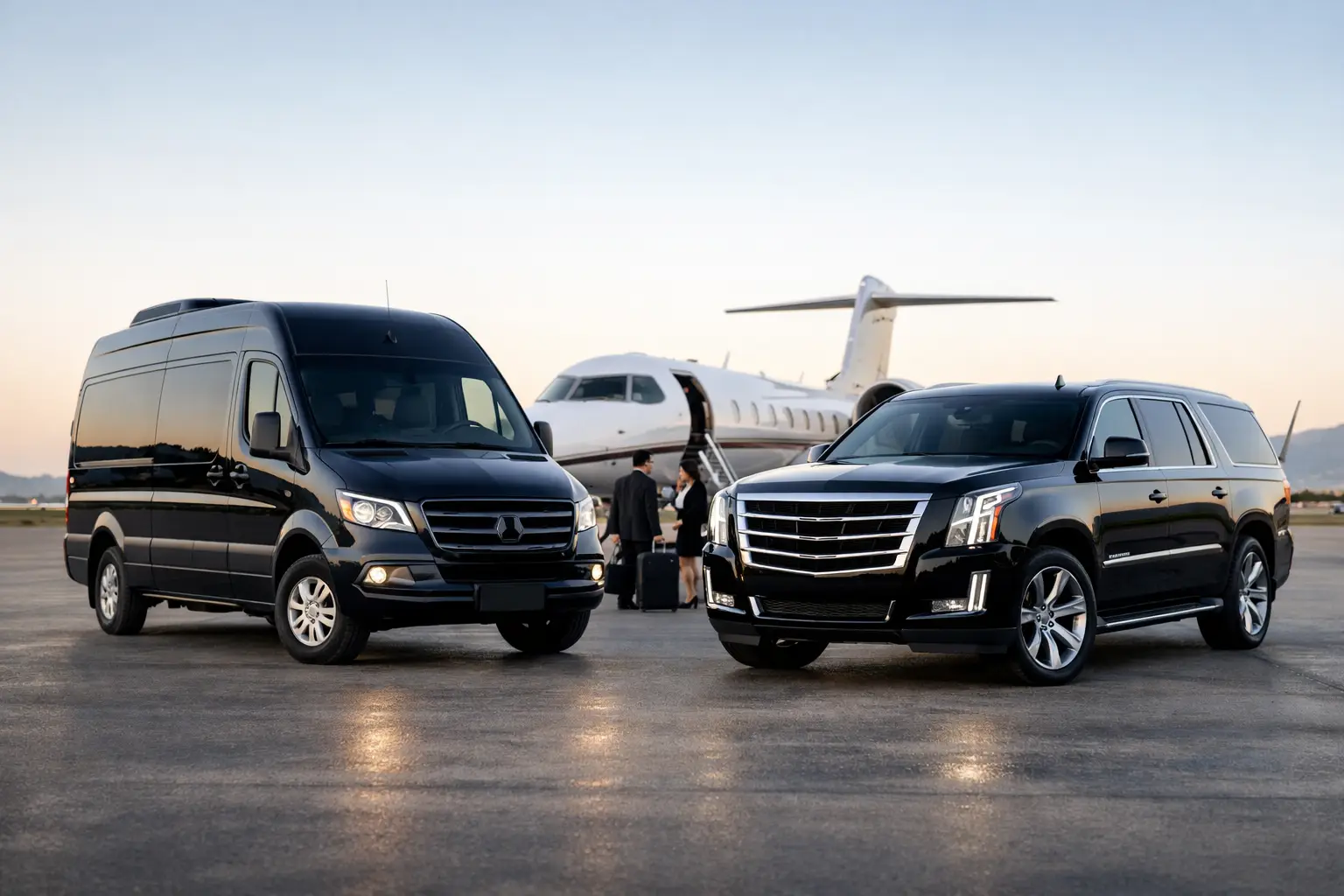
Sprinter Versus Escalade for Executive Travel
Compare Sprinter versus Escalade service for executive travel, airport transfers, and events, with the privacy,…