A group’s first five minutes in a vehicle can set the tone for an entire business day. After a private flight arrival, before a board dinner, or on the way to a high-stakes meeting, the vehicle should create calm rather than introduce another variable to manage. That is why selecting the best vehicles for executive groups is about far more than passenger count.
The right choice protects time, privacy, and the ability to arrive composed. It also reflects the standards of the person or organization arranging the itinerary. For executive travel across Scottsdale, Paradise Valley, Phoenix, and the surrounding Valley, two vehicle types consistently serve different group needs with distinction: the full-size luxury SUV and the executive Sprinter van.
What Executive Groups Need From a Vehicle
Executive transportation is rarely a simple matter of getting from point A to point B. A group may need to take calls in confidence, review a presentation, accommodate luggage from a private aviation arrival, or move between a resort, golf club, and dinner reservation without fragmenting the party across multiple cars.
Privacy is the first consideration. A premium vehicle should provide a controlled environment where conversations remain within the cabin and passengers can settle in away from public attention. Tinted privacy glass, a refined interior, and a professionally discreet chauffeur all matter. The value is not merely appearance. It is the freedom to discuss business, rest after travel, or enjoy personal time without interruption.
Capacity deserves equal care. Choosing the largest vehicle available is not always the most elegant decision. A party of three or four executives may find a luxury SUV more intimate and efficient, while a group of six to 13 benefits from remaining together in an executive van. Luggage volume, golf equipment, airport arrival patterns, and the day’s schedule should guide the reservation.
Finally, executive groups need operational dependability. Flight monitoring, advance routing, precise pickup instructions, and chauffeurs who understand the local landscape prevent small delays from becoming costly disruptions. For a discerning traveler, the gold standard is a trip that feels effortless because every detail has been anticipated.
Best Vehicles for Executive Groups: Two Clear Choices
The Cadillac Escalade for small executive parties
For one to six passengers, a Cadillac Escalade is often the strongest choice. Its commanding presence suits corporate arrivals, private airport transfers, client dinners, and evenings when a polished entrance matters. Yet its appeal is not limited to its exterior. The cabin provides the quiet, spacious setting executives expect after a flight or between appointments.
An Escalade works particularly well when the group values direct access and an intimate atmosphere. Rather than navigating a larger vehicle, passengers can depart promptly, remain together, and move through a dense itinerary with confidence. Premium climate control, bottled water, Wi-Fi availability, and generous seating help turn travel time into a useful pause between commitments.
There are practical limits to consider. While an Escalade can accommodate a small group comfortably, passenger comfort changes when every seat is occupied and everyone is carrying full-size luggage. For airport runs involving five or six travelers with substantial bags, a second vehicle or an executive Sprinter may be the more polished solution. The goal is not to fit everyone in. It is to ensure no one feels fitted in.
The Escalade is especially suited to executive couples, senior leadership teams, VIP guests, and families who expect uncompromising luxury without excess space. It also provides a discreet option for guests who prefer a lower-profile arrival than a large group vehicle may suggest.
The Mercedes Sprinter for larger groups and fuller itineraries
The executive Mercedes Sprinter van is designed for groups that need room to work, relax, and stay together. For corporate teams, private jet parties, wedding guests, golf groups, or families traveling with multiple pieces of luggage, it provides the capacity that a luxury SUV cannot offer without compromising comfort.
Its principal advantage is continuity. When a group travels in one vehicle, there is no need to coordinate separate arrivals, repeat directions, or wait for a second car at every stop. Everyone reaches the meeting, restaurant, resort, or event entrance at the same time. That consistency is particularly valuable when schedules are tight and each transition needs to feel deliberate.
The interior layout matters as much as the seating count. Executive Sprinters offer spacious, comfortable seating and standing room that makes boarding easier for guests in formal attire or those carrying personal items. The added cabin space also supports a more relaxed rhythm during longer Valley transfers. Guests can speak comfortably, use Wi-Fi, enjoy bottled water, or simply take a moment away from the demands of the day.
A Sprinter is not automatically necessary for every group of six. If the itinerary is a brief dinner transfer and the party has minimal belongings, two luxury SUVs may provide more flexibility at the destination. But for airport transfers, golf outings, corporate roadshows, multi-stop evenings, and groups with luggage, a single executive Sprinter is often the more organized and refined answer.
When a Luxury Sedan May Be the Better Decision
For a solo principal or two passengers, a luxury sedan can be the most discreet and efficient option. It is ideal when a traveler wants a quiet, private cabin and uncomplicated access to an office, resort, airport terminal, or residential address. It can also work well for a principal traveling separately from their team, allowing a tightly managed personal schedule while the larger group uses an SUV or Sprinter.
The trade-off is clear: a sedan does not offer the luggage capacity or flexible seating needed for executive groups. It should be selected for privacy and efficiency, not as a compromise for a party that has outgrown it. When comfort is central to the experience, vehicle size should match the real itinerary rather than the minimum possible configuration.
Match the Vehicle to the Moment
The best selection begins with a few precise questions. How many people are traveling at each stage of the day? Is there checked luggage, golf equipment, or private aviation baggage? Will passengers need to work in transit? Are there multiple pickups, a late-night return, or a schedule subject to flight changes?
A chauffeur service should use those details to recommend the right configuration, not simply assign the nearest available vehicle. A three-person executive team arriving at Phoenix Sky Harbor with carry-ons may be perfectly served by an Escalade. A seven-person team arriving on a private flight with luggage and a resort check-in ahead will be better accommodated by a Sprinter. For a large event, a coordinated fleet can preserve privacy and timing while giving principals their own dedicated vehicle.
It also helps to consider the destination. Resort entrances, private clubs, executive offices, and event venues each have their own traffic flow and staging realities. Local routing knowledge can reduce unnecessary exposure and prevent the frustration of circling for access. In the Arizona heat, having the vehicle positioned precisely and climate-controlled before passengers step outside is a detail guests remember.
The Chauffeur Is Part of the Vehicle Choice
A beautiful vehicle cannot compensate for an inconsistent experience. For executive groups, the chauffeur is an extension of the travel plan: punctual, professionally presented, aware of the day’s schedule, and restrained in conversation. They should know when to offer assistance and when silence is the greater service.
This is where a concierge-style provider such as PV Black Car brings meaningful value. Digital confirmations, secure billing, itinerary adjustments, flight monitoring, and strict confidentiality practices allow the travel arranger to retain control without having to manage every movement personally. The chauffeur handles the road while the guest keeps attention where it belongs.
For public-facing clients, discretion also includes the details outside the cabin. Appropriate pickup positioning, measured assistance with luggage, and a calm approach to unexpected schedule changes preserve the privacy that conventional ride services cannot reliably provide.
Choose the vehicle that gives your group enough room to arrive unhurried, enough privacy to speak freely, and enough support to move through the day on its own terms. That is the difference between transportation and a properly managed executive experience.



Executive Mobility Is a Business Advantage
Executive mobility gives leaders privacy, precision, and protected time between meetings, airports, resorts, and private…

How to Organize Client Pickups With Precision
Learn how to organize client pickups with precise timing, discreet communication, flight monitoring, and polished…
Hotel Shuttle Versus Chauffeur: Which Fits?
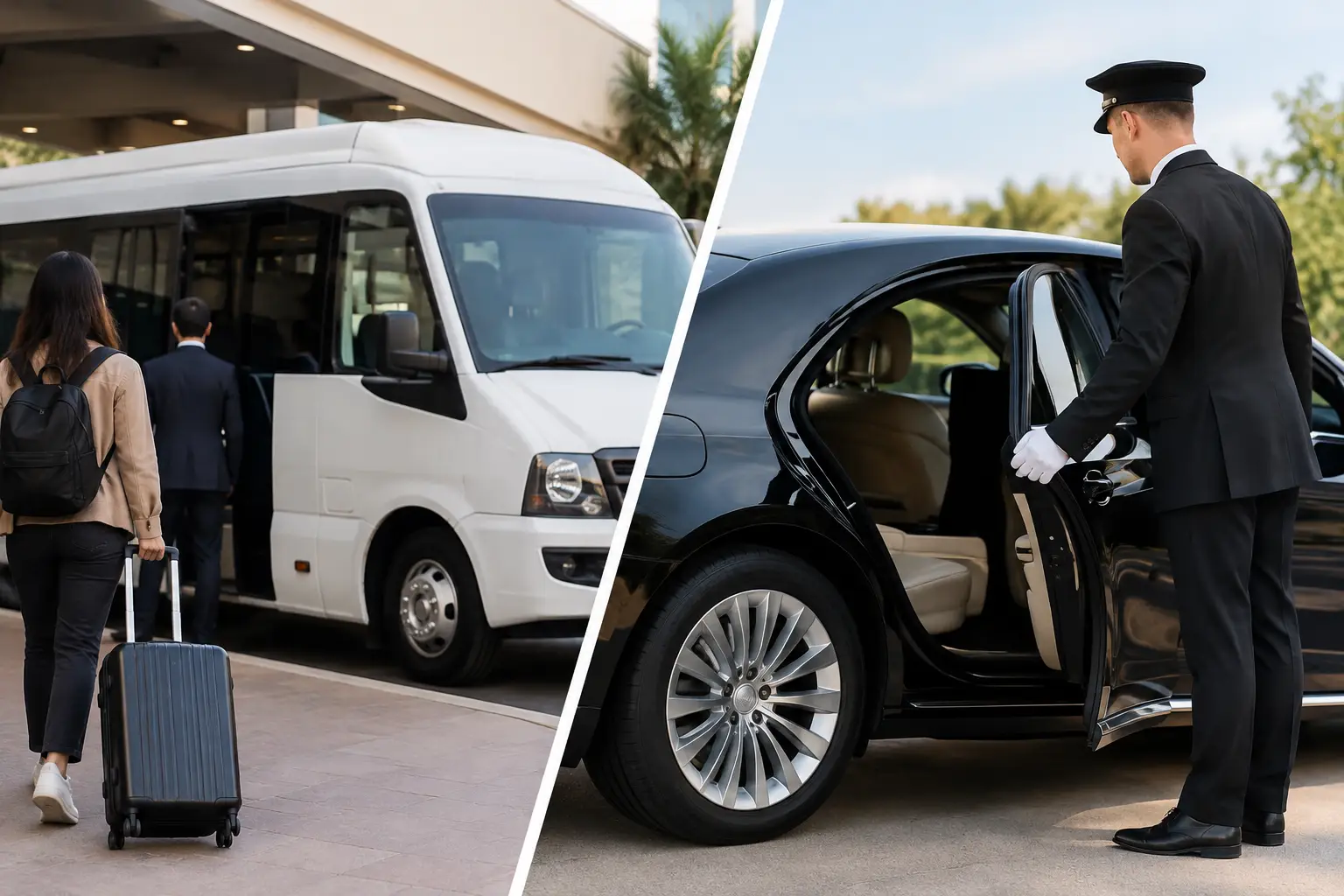
Hotel shuttle versus chauffeur: compare privacy, timing, comfort, and control for airport and resort travel…

How to Coordinate Resort Transfers Without Guesswork
Learn how to coordinate resort transfers with private timing, flight monitoring, luggage planning, and discreet…
Golf Transport Guide for Discerning Players
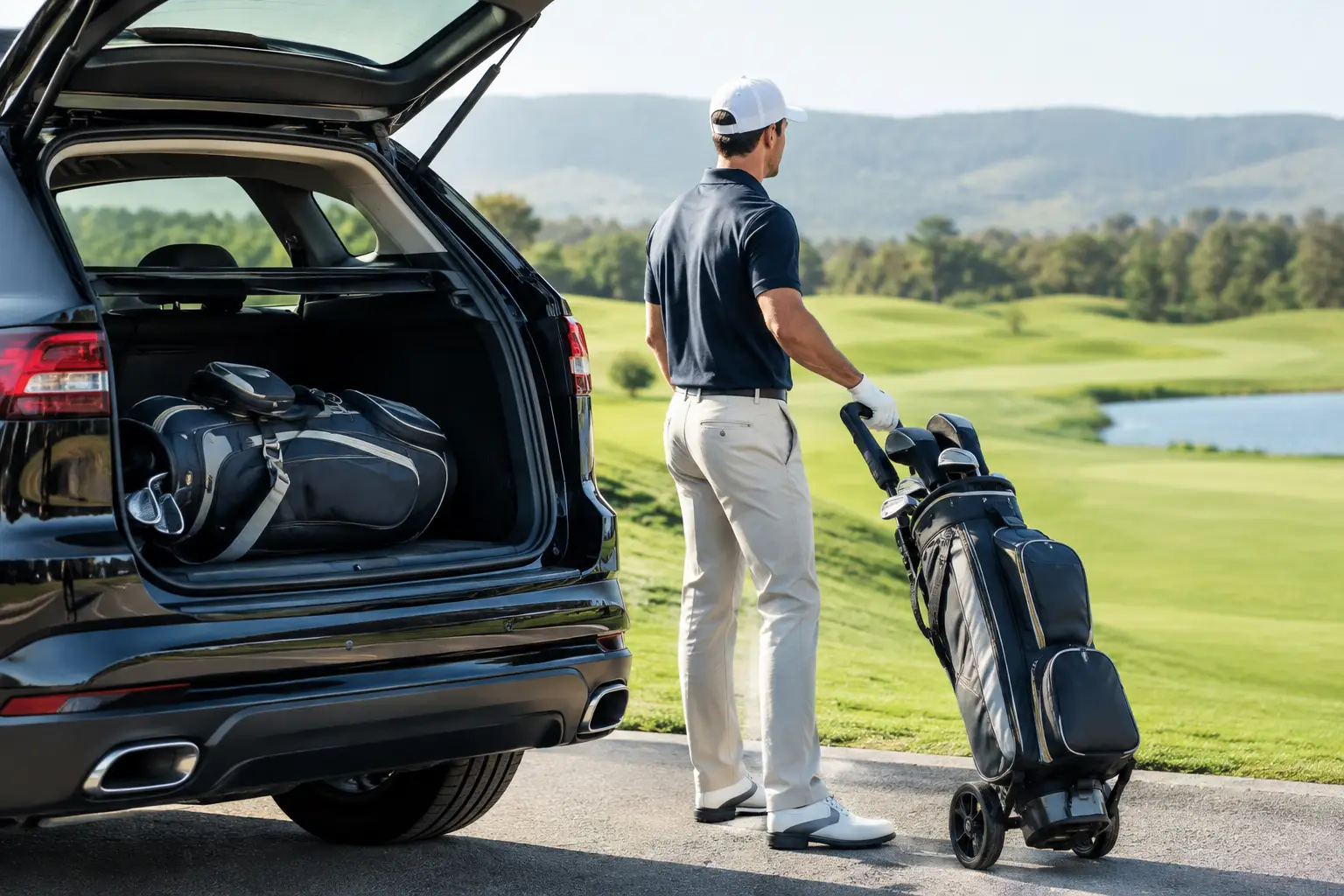
A golf transport guide for Scottsdale players covering club care, tee-time planning, vehicle space, and…

Multi Stop Transport for a Day That Runs on Time
Multi stop transport for executive schedules, private outings, and Valley events, with discreet chauffeurs, precise…

Corporate Retreat Transport That Keeps Plans on Time
Corporate retreat transport for executive teams: discreet chauffeurs, refined vehicles, and thoughtful logistics that keep…
Essential Features of VIP Transport That Matter
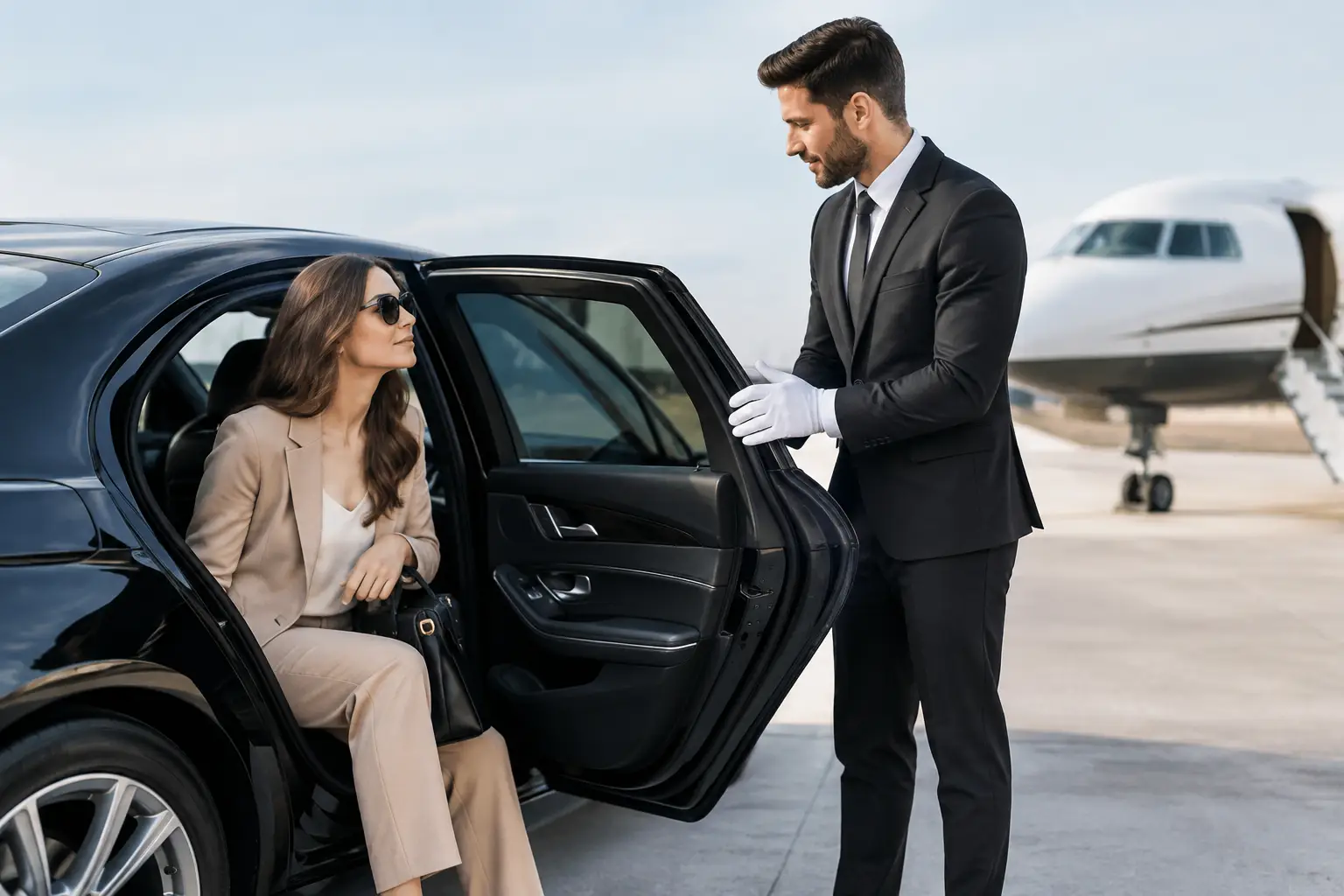
Learn which essential features of VIP transport protect privacy, preserve time, and deliver composed, reliable…

Chauffeur Service Versus Rental for Executive Travel
Compare chauffeur service versus rental for airport arrivals, executive schedules, events, and private travel across…
What a Private Car Service Review Should Reveal
A private car service review for travelers who expect punctual arrivals, genuine discretion, refined vehicles,…